
A NEW UNDERSTANDING
Psychodermatology-Led Wellness
The clinical connection between psychological state and skin condition is well established, yet almost entirely absent from everyday wellness tools. Chronic stress raises cortisol. Cortisol triggers inflammation. Inflammation disrupts your skin barrier, sleep cycle and immune response. Opulume is built around this understanding.
The ocean doesn't fight the tide. Neither should your skin.

Discover your Skin-State™
Stress. Sleep. Nutrition. Emotion. Your skin reflects every part of your life.
Opulume's skin science, nutritional intelligence and psychodermatology-led wellness, helps you understand the deep relationship between how you live and how your skin responds.
Join the waitlist for early access to our Skin-State™ Wellness App that uses our proprietary patent pending technology Skin Comfort Index™ (SCI) to reveal your overall dermatological wellness state.
▼
SKIN NUTRITION SCIENCE™
Feed Your Skin From Within
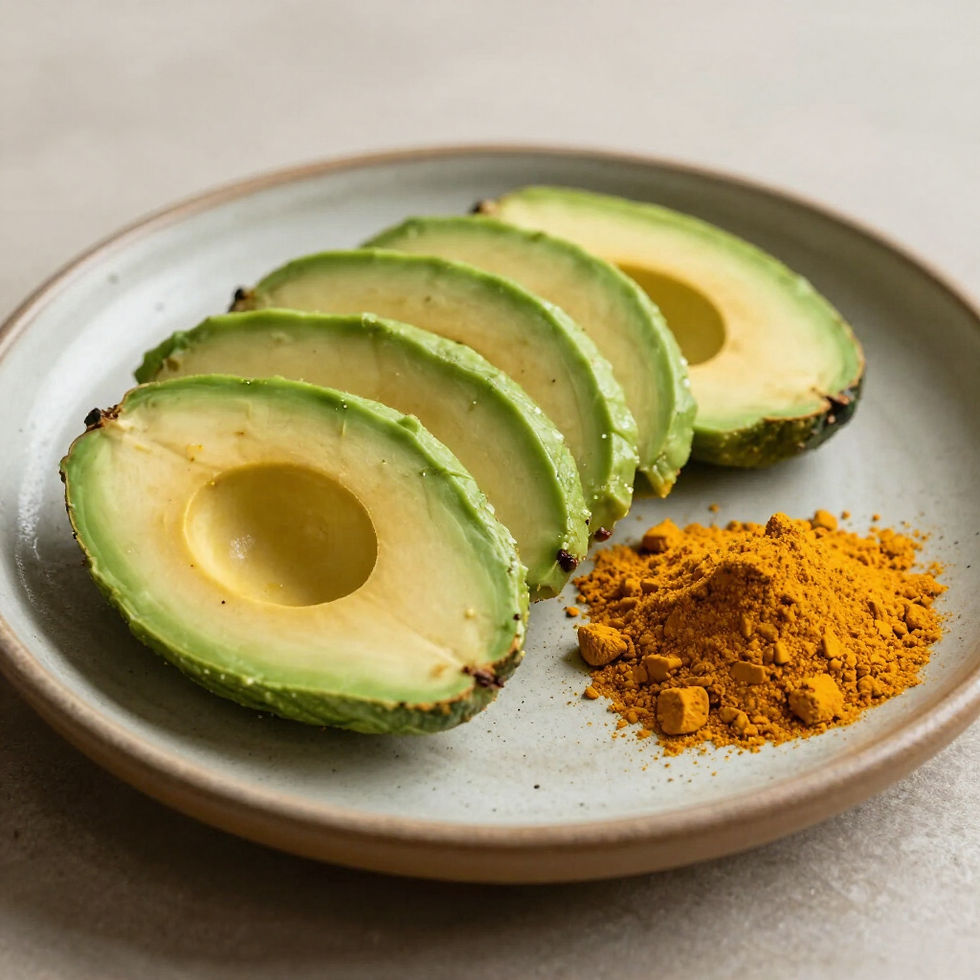
Your skin is influenced by far more than the products you apply. Omega-3 fatty acids, antioxidant-rich foods, gut-microbiome health and hydration all regulate inflammation, barrier function and cell renewal at a cellular level. Opulume connects the nutritional dots you never had the tools to draw.
Omega & Barrier Health
Gut-Skin Axis
Anti-inflammatory Foods
Antioxidants & Glow
Hydration & Repair
Micronutrient Balance



MIND · SKIN · RESILIENCE
The Thinking Behind the Therapy
Cognitive Behavioural Therapy techniques, when applied to skin health, help break the cycle of stress-triggered flares, shame spirals and hypervigilance. Opulume integrates evidence-based behavioural approaches alongside nutritional guidance, giving you tools that work from the inside out.
Thought Pattern Awareness
Identifying the cognitive loops that amplify skin stress responses.
Behavioural Activation
Gentle routines that interrupt the anxiety-inflammation cycle.
Skin Acceptance Work
Building a compassionate relationship with your skin at every stage.

Clarity, Community, and Calm
Opulume is being built with a community who understand the challenges of living life with skin issues, and the need to know what works.
Join the waitlist to be part of the founding circle.
Receive early access, skin wellness content and exclusive community event invites.
No spam. Just science, community and early access.
The Skin Wellness Journal

NUTRITION
The Gut-Skin Axis: What Your Microbiome Is Telling You
The communication between your digestive tract and your dermal layers—known as the gut-skin axis—is a bidirectional highway of biochemical signals. Recent clinical research highlights how a diverse microbiome supports the integrity of the intestinal lining, preventing ‘leaky gut’ scenarios where undigested metabolites enter the bloodstream and trigger systemic inflammation. Educational insights suggest that incorporating more fermented foods, diverse plant fibres, and polyphenols can modulate this axis, potentially reducing the severity of inflammatory skin states. This information is provided for educational purposes and does not constitute medical advice.

STRESS & SKIN
Why Stress Shows Up on Your Face Before Anywhere Else
When the mind perceives a threat, the hypothalamus-pituitary-adrenal (HPA) axis initiates a release of cortisol. In the skin, this hormone acts as a catalyst for increased sebum production and a weakened lipid barrier, often leading to inflammatory ‘stress-flares’. Psychodermatology explores how neuro-peptides released during emotional distress can directly stimulate mast cells, causing redness and itching. Understanding this cascade allows for a more compassionate approach to managing skin states during high-pressure periods. This content is educational and not intended as a substitute for professional medical consultation.

CBT & SKIN
CBT and Rosacea: What the Research Actually Shows
Clinical markers indicate that Cognitive Behavioural Therapy (CBT) can significantly alleviate the secondary psychological distress associated with Rosacea, particularly regarding social anxiety and the fear of flushing. Evidence-based research shows that by addressing ‘safety behaviours’—such as excessive mirror checking or avoiding social situations—individuals can lower their overall physiological arousal, which in turn can decrease the frequency of neurovascular triggers. Behavioural techniques help break the cycle of self-consciousness that often exacerbates physical symptoms. This summary is intended for educational use and does not replace professional medical or psychological diagnosis.